![]() |
| It's a bee. |
![]() |
| Masked bee or nomad? Both are native. |
![]() |
| Perhaps Dolerus unicolor |
![]() |
| It's a bee. |
![]() |
| Masked bee or nomad? Both are native. |
![]() |
| Perhaps Dolerus unicolor |
![]() |
| Oliver |
![]() |
| Photo Sunday at Noah Clark |
![]() |
| There are many birches in there, but it's on a tamarack. |
![]() |
| You can tell it's on a tamarack by all of the cones. |
![]() |
| Same pose, just more zoom. What looked to me like an eye or nose was simply a cone. |
![]() |
| Mating Jagged Ambush Bugs (Phymata) on John's finger. |
In our study, we surveyed whether ambush bugs found in the wild tended to match the flower color they were found on, and if this was correlated with how often they had prey. In lab experiments, we followed up by providing ambush bugs a choice between yellow and white flowers, as well as keeping individuals on white and yellow backgrounds to see if they would change colour over time. We found that in the wild, ambush bugs were whiter on white flowers and yellower on yellow flowers, and that better matched individuals were found more often with prey. All ambush bugs in the lab preferred yellow flowers, but this preference was especially strong for individuals who were found on yellow flowers in the wild. Finally, we found the first experimental evidence for color change in this species; ambush bugs were able to become more yellow over time but not whiter, and this was exaggerated when they were kept on a yellow background.We now know that ambush bugs use a combination of color change and choice of habitat to optimize their ability to catch unsuspecting prey. Overall, this study improves our knowledge of how background matching is achieved in organisms using a combination of complex mechanisms.
Mating Jagged Ambush Bugs (Phymata)
on John's finger.
John, my late husband, would touch anything. Brave or foolhardy? I vote for brave. He held the mating pair of ambush bugs for me because they kept wandering out of the tripod-based viewfinder and he could keep them still. They will bite, but he figured they were too busy. 😉 We always called these shots bug porn.
But I do photograph them in the wild without human aid. These bugs sit on flowers and wait for prey to come to them. They don't really move and hunt. So if you can see them, they can be fun to photograph for hundreds of focused shots. They use those fat front legs to hold on to prey, inject it with a venom that paralyzes it and then sucks its insides out. Ouch. 💀 Poor bugs.
The males are much smaller than the females.
Some people keep ambush bugs as pets. I really have to suggest this to Jody. After all, we have raised, separately and together, flea beetles, lady beetles, moths, and butterflies. Why not some ambush bugs?
Try to find some ambush bugs next summer. Or assassin bugs (but they run after prey so are more difficult to shoot). They are related. Or not. Entomologists disagree, but are usually in the same family. There are at least two species in Phymata that cannot be differentiated in photos.
Photo Sunday at Norah Clark
_/\_/\_
![]() |
| Mating Mustard White Butterflies (Pieris oleracea) Old and worn on the left New and fresh on the right |
![]() |
| Old and tattered Northern Pearly-Eye (Lethe anthedon) |
![]() |
| Luna Moths (Actias luna) The luna on the left is male and has fully eclosed. The female, on the right, has not completely dried after eclosing. Her wings and tails are not fully expanded. |
![]() |
| After one week of life, the tails are gone, the wings are translucent, and the moth is too exhausted to move before dying. |
![]() |
| I think these are Ligated furrow bees |
![]() |
| Photo Sunday at Noah Clark |
![]() |
| Photo Sunday at Noah Clark |
![]() |
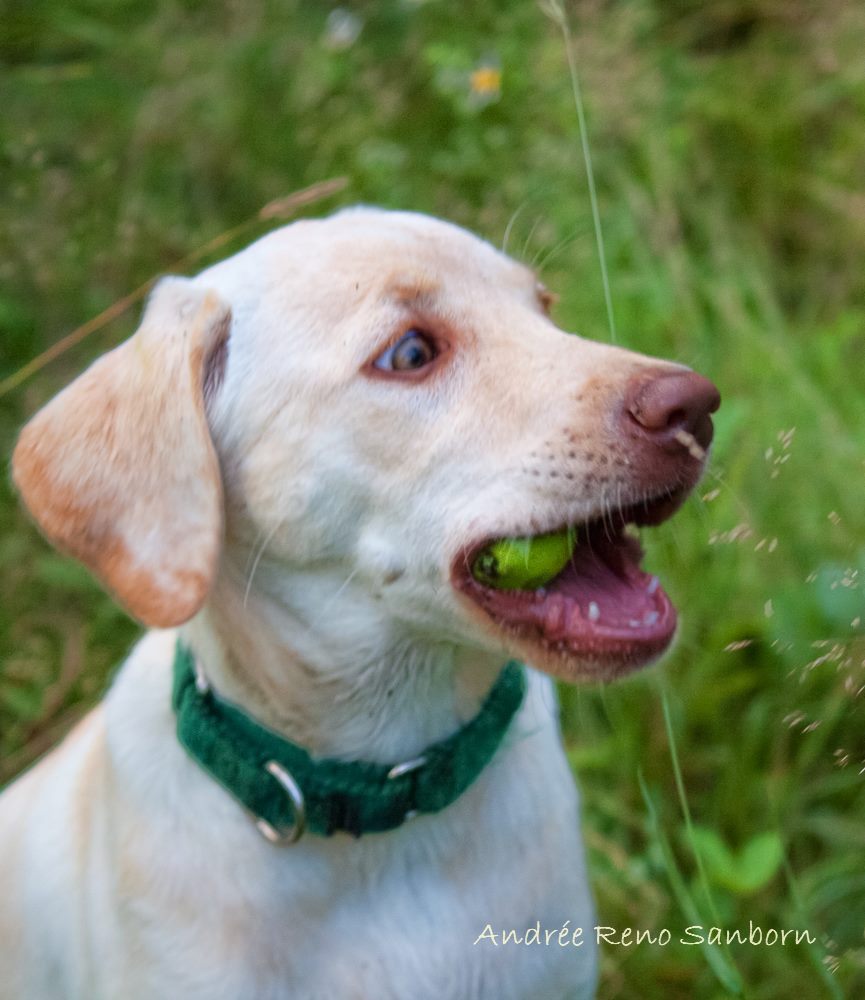
| Lucy used to gather green apples all day long from the orchard. She would bring them home and spit them out after one crunch. The apples were all drops. |
![]() |
| Photo Sunday at Noah Clark |
![]() |
| Fender and foster kittens |
![]() |
| Photo Sunday with Noah Clark |
![]() |
| Black Arches - Hodges#10295 (Melanchra assimilis) |
![]() |
| Black and Yellow Mud Dauber (Sceliphron caementarium) |
![]() |
| Black Blister Beetle (Epicauta pensylvanica) |
![]() |
| Black-and-yellow Lichen Moth - Hodges#8087 (Lycomorpha pholus) |
![]() |
| Black-and-Yellow Argiope (Argiope aurantia) |
![]() |
Juvenile Black-capped Chickadee (Poecile atricapillus) I couldn't resist the duplication of species. |
![]() |
| Black-etched Prominent - Hodges#7942 (Tecmessa scitiscripta) |
![]() |
| Black-horned Smoothtail (Epistrophe grossulariae) |
![]() |
| Blackjacket (Vespula consobrina) |
![]() |
| Black-rimmed Prominent - Hodges#7922 (Pheosia rimosa) |
![]() |
| Half-black Bumble Bee (Bombus vagans) and Eastern Modest Masked Bee (Hylaeus modestus modestus) |
![]() |
| Black-shouldered Spinyleg (Dromogomphus spinosus) |
![]() |
| Red-winged Blackbird (Agelaius phoeniceus) |
![]() |
| Submit your black at Photo Sunday |